

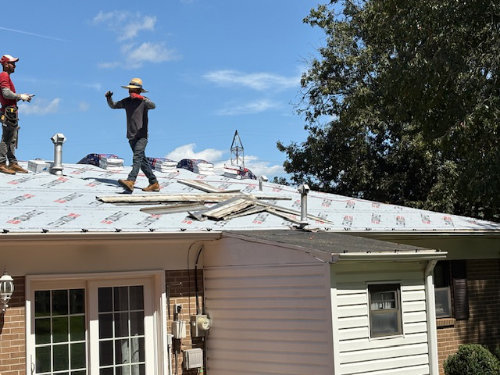
You sign the contract, circle a start date on the calendar, and start planning around it. Then the call comes. The date shifts. Maybe again. From the outside, it can feel frustrating or even disorganized.
But inside a roofing contractor’s schedule, there’s a lot more happening than most homeowners realize. Roof projects don’t run on simple timelines. They depend on moving parts that change daily.
Understanding what actually controls your start date can take the stress out of the wait and help you see why flexibility is often part of a well-run roofing operation.
A booked date is a target, not a guarantee. Roofing schedules are living schedules that adjust constantly.
Start dates often change because of:
Roofing is sequential. One delay upstream affects everything behind it. If a prior job takes an extra day due to hidden damage or weather, the next start date moves.
Most contractors would rather adjust a start date than rush a job. Rushing leads to mistakes, safety risks, and lower-quality work. While it’s inconvenient, a changed date often means your contractor is protecting your project from being squeezed into unsafe or suboptimal conditions. It’s not about poor planning. It’s about responding to realities that can’t always be predicted weeks in advance.
How soon a roofing contractor can start a roof replacement usually comes down to a mix of crew availability, job readiness, and outside constraints. Here are the biggest factors:
If you want the fastest realistic start, the biggest levers you control are: finalize selections quickly, keep the scope clear, and confirm materials are ordered and scheduled for delivery.
Weather forecasts and material availability affect a roofing start date because contractors plan around risk and readiness. Even if you’re “on the calendar,” they usually won’t start unless they can safely complete the key phases without getting stuck mid-job.
Weather forecast impact
Material availability impact
Bottom line: start dates move when weather raises the risk of exposure or when materials aren’t fully lined up to complete the job cleanly.
Roofing contractors usually prioritize safety and workable weather windows first. Even if a day looks open on the calendar, wind, rain risk, freezing temperatures, or extreme heat can make tear-off and installation unsafe or reduce quality. That’s why contractors often schedule bigger or more complex roofs during periods with a better multi-day forecast, and slot smaller jobs into tighter windows.
Next is job readiness. Projects that have signed paperwork, finalized scope, confirmed shingle color, and verified material delivery are easier to schedule confidently. If a job is still waiting on insurance approval, product selection, HOA rules, or permit steps, it may get pushed back simply because it’s not fully “start-ready.”
Contractors also prioritize urgency and crew fit. Active leaks, storm damage, or situations that risk interior damage often jump the line. At the same time, not every crew is the right match for every roof. Steep pitches, complex flashing, skylights, or ventilation upgrades may require a specific crew, which affects start dates.
Finally, there are logistics and workflow efficiency. Contractors may group jobs by location to reduce travel time and keep production steady. They also try to avoid starting a roof unless they’re confident they can finish it without interruption, because half-finished projects create delays, extra costs, and stress for homeowners.
If you’re scheduling a roof replacement and want realistic timing, clear communication, and a plan that respects your household schedule, Providence Roofing is ready to help. We’ll walk you through the start-date factors upfront, confirm material timelines, and give you a practical start window based on your roof’s scope and current conditions.
If the calendar ever needs to shift, you’ll know why, what changed, and what the next best window is. Reach out today to request an estimate!