
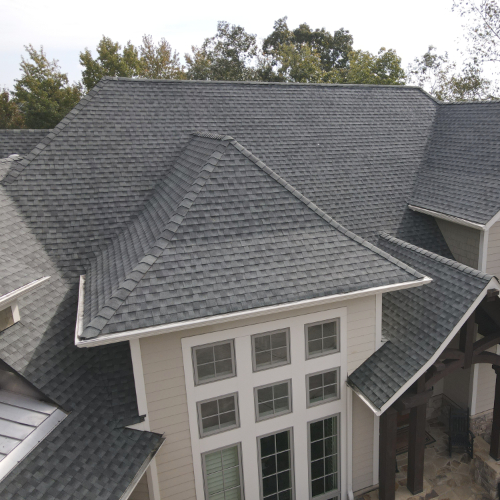
Your roof does more than just sit on top of your house. It protects your home from rain, wind, sun, and changing temperatures while also playing a major role in your home's overall appearance. Roofing shingles are one of the most common roofing materials used today, and choosing the right type can make a big difference in durability, maintenance, and long-term value.
With so many roofing materials available, homeowners often feel overwhelmed when deciding which shingles to install. The right choice depends on several factors including your budget, local climate, aesthetic preferences, and expected lifespan. Understanding the different types of shingles can help you make a confident decision that protects your home for decades.
Roof shingles are flat, overlapping roofing materials installed in rows across a roof. Their layered design allows water to run off the roof efficiently while protecting the structure underneath from moisture damage.
Shingles are typically installed starting from the bottom of the roof and layered upward. This overlapping pattern ensures that rainwater flows downward without entering the home.
Aside from protection, shingles also contribute to curb appeal. They are available in a wide variety of colors, textures, and styles, allowing homeowners to match their roof to their home's architecture and design.
Most modern roofing shingles are made using several components that work together to create a durable roofing system.
Fiberglass Mat
The fiberglass mat acts as the foundation of many asphalt shingles. It provides strength and flexibility, allowing shingles to conform to the roof structure.
Asphalt Coating
Asphalt gives shingles their waterproof qualities and helps protect the roof from harsh weather conditions.
Mineral Granules
Granules are added to the surface of shingles to provide color and protect against UV rays from the sun.
Adhesives and Sealants
These materials bond shingles together and prevent wind from lifting them.
Protective Film
A protective release film prevents shingles from sticking together during storage and transportation.
Together, these components create a strong barrier that shields homes from weather damage.
Different roofing materials offer unique benefits, appearances, and price points. Below are some of the most common options homeowners consider when replacing or installing a roof.
Asphalt shingles are the most widely used roofing material in the United States. They are popular because they are affordable, easy to install, and available in many colors and styles.
They also provide reliable protection and typically last between 20 and 30 years depending on the type chosen.
3-tab shingles are the most basic and budget-friendly asphalt roofing option. They have a flat appearance and are made from a single layer of material.
While they are inexpensive and lightweight, they are also thinner than other asphalt shingles and generally last around 10 to 15 years.
Architectural shingles are thicker and designed with multiple layers that create a dimensional look. They often resemble wood shakes or slate tiles while remaining more affordable.
Because they are heavier and more durable than 3-tab shingles, they usually last 25 to 30 years or longer.
Luxury shingles represent the premium tier of asphalt roofing. They are designed to mimic the appearance of slate or cedar while providing excellent durability.
These shingles can last up to 50 years and offer superior weather resistance compared to standard asphalt products.
Metal roofing shingles combine durability with the classic appearance of traditional shingles. They are commonly made from steel, aluminum, or copper.
Metal roofs are extremely durable and can last 50 years or more with minimal maintenance. They are also highly resistant to fire, wind, and impact damage.
Another advantage of metal roofing is energy efficiency. Metal reflects sunlight, helping keep homes cooler during warm months.
However, metal shingles typically come with a higher upfront cost and require skilled installation.
Slate shingles are made from natural stone and are known for their luxurious appearance and exceptional longevity.
A properly installed slate roof can last over 100 years, making it one of the longest-lasting roofing materials available. Slate is also highly resistant to fire, mold, and harsh weather conditions.
Despite these benefits, slate roofing is extremely heavy and expensive. Homes may require structural reinforcement before installation.
Clay and concrete tiles are commonly seen on Mediterranean, Spanish-style, and Southwestern homes.
These roofing materials are extremely durable and can last 50 to 100 years. They are also naturally fire resistant and perform well in hot climates.
However, clay and concrete tiles are heavy and often require additional structural support. Installation costs can also be higher than other roofing options.
Composite shingles are engineered from a blend of materials such as plastic, rubber, and asphalt. They are designed to mimic the appearance of natural materials like wood or slate.
One advantage of composite shingles is their lightweight design, which allows them to be installed on most homes without additional reinforcement.
They are also relatively durable and require little maintenance, making them an attractive middle-ground option between affordability and performance.
Solar shingles combine roofing materials with solar technology. Instead of installing separate solar panels, these shingles generate electricity while functioning as part of the roof itself.
Solar shingles offer a sleek appearance and can help reduce energy costs over time. They also support environmentally friendly energy production.
However, they have a significantly higher initial cost and require specialized installation.
Rubber shingles are made from recycled materials, often including repurposed tires. They are known for their durability and environmental benefits.
Rubber shingles are resistant to water, mold, and impact damage. They also offer excellent insulation and can last between 30 and 50 years.
The downside is that rubber shingles typically have fewer style and color options compared to other materials.
Wood shingles provide a natural and rustic appearance that many homeowners find appealing.
Cedar and redwood are the most commonly used woods for roofing shingles because they naturally resist moisture and insects.
Wood roofs offer good insulation and develop a distinctive weathered appearance over time. However, they require regular maintenance and may not be permitted in areas prone to wildfires.
Each roofing material comes with advantages and drawbacks.
Advantages of Asphalt Roofing
Benefits of Metal Roofing
Drawbacks of Premium Roofing Materials
Choosing the best roofing material often involves balancing durability with affordability.
Before selecting shingles, homeowners should evaluate several important factors.
Roofing materials vary widely in cost. Asphalt shingles are usually the most affordable option, while slate, metal, and clay roofs can be significantly more expensive.
It is important to consider both upfront costs and long-term value.
Certain materials perform better in specific climates. For example, metal roofing is excellent for areas with heavy snow, while clay tiles perform well in hot climates.
Impact-resistant shingles are recommended for regions prone to hail or severe storms.
Some roofing materials help regulate indoor temperatures by reflecting sunlight or improving insulation.
Solar shingles and cool roofing technologies can also reduce energy consumption and lower utility bills.
Roofing materials often come with manufacturer warranties that protect against defects or premature failure.
Understanding warranty coverage can help protect your investment and provide peace of mind.
In humid climates, algae growth can cause black streaks on roofs. Many modern shingles include algae-resistant technology to prevent discoloration and maintain curb appeal.
Some homeowners attempt to install asphalt shingles themselves, but roofing projects come with safety risks and technical challenges.
Professional roofing contractors have the experience, tools, and training needed to install shingles properly. Incorrect installation can lead to leaks, poor ventilation, and structural issues.
For most homeowners, hiring a professional ensures the roof performs as expected and maintains warranty coverage.
Proper maintenance helps extend the life of any roof.
Regular inspections allow homeowners to identify loose or damaged shingles early. Clearing debris, cleaning moss or algae, and trimming nearby tree branches can also prevent damage.
If serious issues appear, a professional inspection is recommended to avoid further complications.
Slate shingles typically last the longest, often exceeding 100 years. Metal roofing can also last 50 to 70 years with proper maintenance.
Asphalt shingles are generally the most affordable roofing option for residential homes.
Metal roofs last longer and offer greater durability, but asphalt shingles are more affordable and easier to install.
Most asphalt shingles last between 20 and 30 years depending on the quality and installation.
Clay tiles, metal roofs, and reflective shingles perform well in hot climates because they reduce heat absorption.
Solar shingles can reduce energy costs over time, but the initial installation cost is higher than traditional roofing materials.
Architectural shingles are thicker, more durable, and have a dimensional appearance compared to flat 3-tab shingles.
Some roofing materials, such as metal and certain asphalt shingles, can be recycled.
Slate, metal, and architectural shingles often increase property value due to their durability and visual appeal.
Signs include curling shingles, missing pieces, leaks, granule loss, and visible roof aging.
Selecting the right roofing shingles involves more than simply choosing a color or style. Homeowners should consider durability, climate performance, installation costs, and long-term maintenance requirements.
Asphalt shingles remain the most popular choice because they balance affordability and reliability. However, materials such as metal, slate, clay, and solar shingles offer unique advantages for homeowners seeking greater durability or energy efficiency.
By understanding the available options and working with experienced roofing professionals, homeowners can choose a roofing system that protects their home while enhancing its overall appearance and value.