
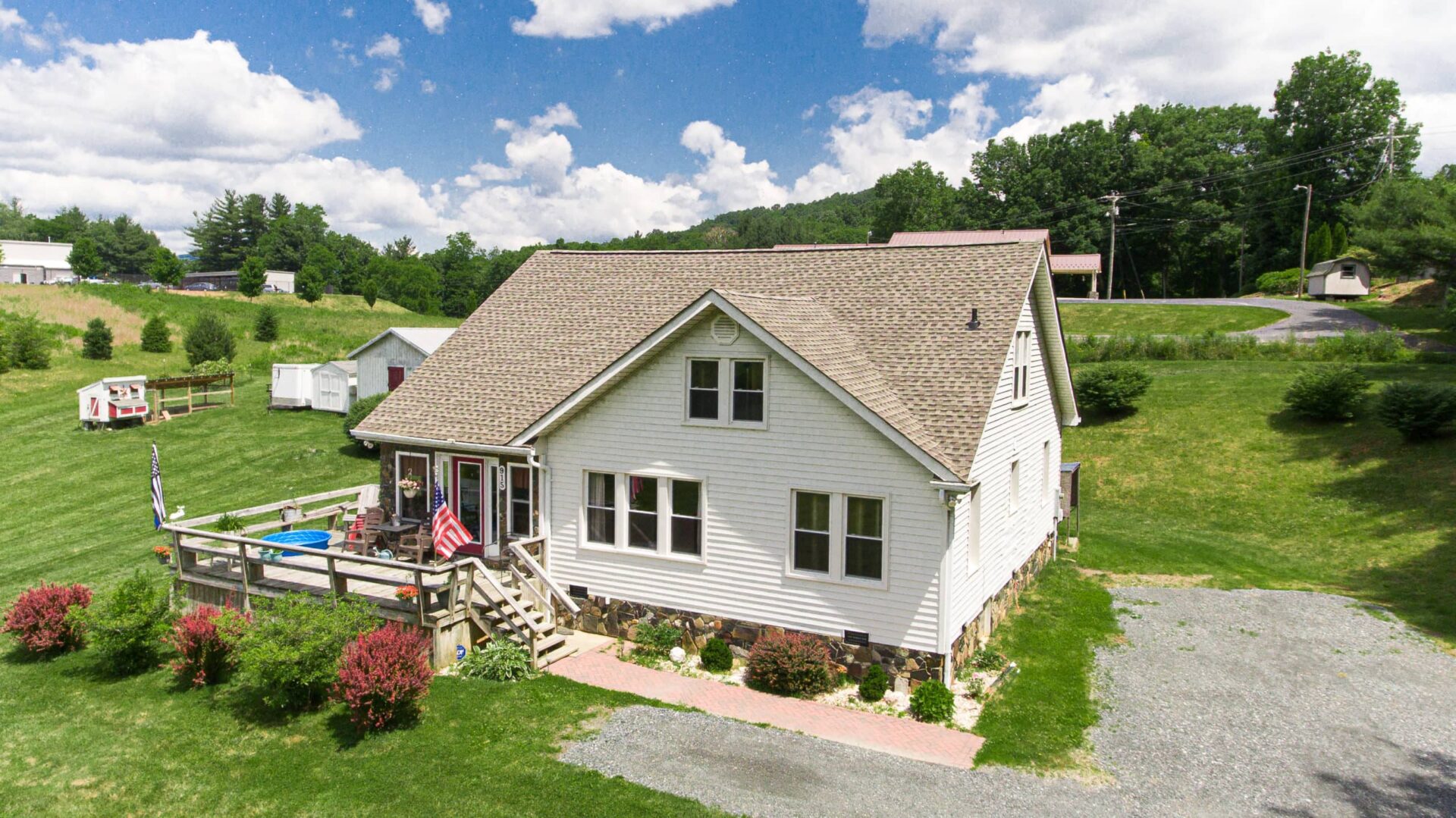
If you live in Spruce Pine, Burnsville, or Eastern Buncombe County, you know that summer in the North Carolina mountains brings more than just beautiful blue skies and lush green landscapes. While it’s a wonderful time to enjoy the outdoors, it’s also the season when mountain roofs face unique challenges from heat, humidity, and sudden storms.
At Providence Roofing, we understand how mountain weather patterns can take a toll on your roof—especially in the summer months. Here’s what local homeowners need to know about seasonal roofing concerns and how to keep your home protected from costly damage.
1. Sudden Mountain Storms and High Winds
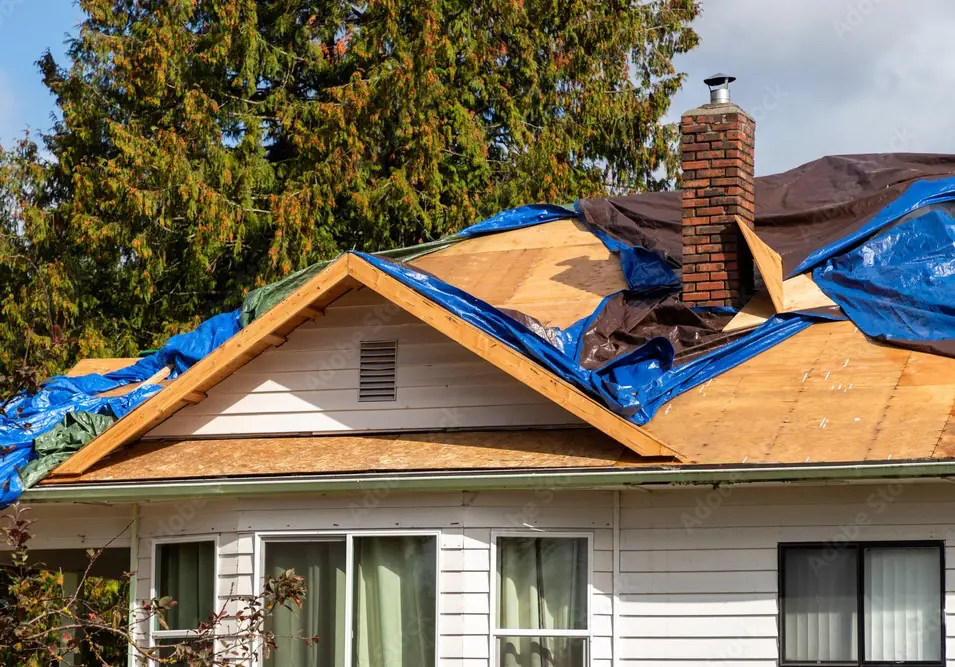
The summer months bring intense thunderstorms across the mountains, especially in the late afternoon when the warm daytime air cools rapidly. These pop-up storms often include strong wind gusts, heavy rain, and even hail—all of which can damage roofing materials.
What to watch for:
- Missing or lifted shingles
- Bent or damaged flashing around chimneys and vents
- Tree limbs or debris on your roof
- Granule loss on asphalt shingles (which often ends up in gutters)
Prevention Tips:
- Have a professional roof inspection at the start of summer to catch any loose materials or early wear.
- Trim overhanging branches near your roofline to prevent impact damage.
- Make sure attic ventilation is functioning properly to reduce wind pressure beneath the roof deck.
2. Heavy Rainfall and Moisture Buildup
Moisture is a major concern in the mountainous areas of North Carolina. Prolonged periods of rain, combined with morning fog and lingering humidity, can encourage roof leaks, wood rot, and mold growth—especially in older homes or improperly ventilated roofs.
Signs of a problem:
- Water stains on ceilings or walls
- A musty odor in your attic or upper floors
- Moss or algae growth on shingles
Prevention Tips:
- Ensure your roof has adequate drainage and that gutters are free of debris.
- Check for soft spots or sagging areas that may indicate moisture has compromised the roof structure.
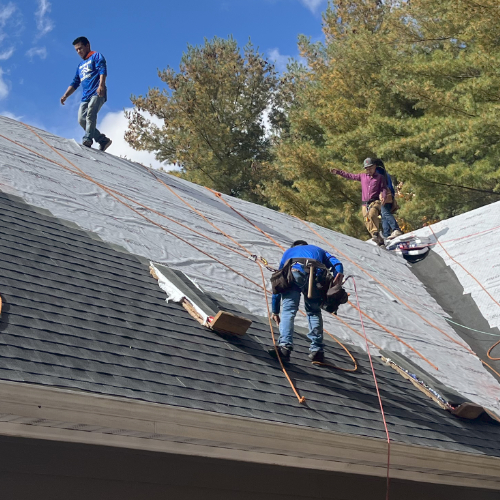
- Install a high-quality underlayment and moisture barrier if your roof is being replaced or repaired.
3. Heat and UV Damage at High Elevations
While temperatures may feel milder in the mountains compared to the Piedmont or coast, the sun’s UV rays are stronger at higher elevations. Over time, this can cause shingles to become brittle, curl, or fade—especially on older roofs.
How it affects your roof:
- Accelerated aging of shingles
- Cracking in caulking and sealants
- Reduced energy efficiency in your attic
Prevention Tips:
- Consider installing impact- and UV-resistant shingles if replacing your roof.
- Use reflective roof coatings to extend the life of your roof and reduce cooling costs.
- Schedule an annual roof checkup in late spring or early summer to address heat damage before it worsens.
4. Inadequate Ventilation and Insulation
Mountain homes often deal with more complex rooflines and older attic designs. Without proper ventilation and insulation, summer heat and moisture can become trapped—leading to roof deck damage and even interior temperature issues.
What to look for:
- Hot, stuffy attic spaces
- Ice dams in winter (a delayed sign of summer ventilation problems)
- Higher-than-usual energy bills
Solutions:
- Add or upgrade ridge vents, soffit vents, or attic fans.
- Insulate attic floors to regulate temperatures year-round.
- Consult a roofing expert to assess your current ventilation setup.
Protect Your Investment with Local Expertise
Mountain weather is unpredictable—but your roof doesn’t have to suffer because of it. At Providence Roofing, we’ve helped homeowners throughout Spruce Pine, Burnsville, and Eastern Buncombe County prepare for—and recover from—summer’s harshest conditions.
Whether you need a seasonal inspection, roof repair, or full replacement, our team is here to keep your roof strong, watertight, and weather-ready. Don’t wait until the next big storm hits—contact us today to schedule your summer roof assessment and enjoy peace of mind all season long.