
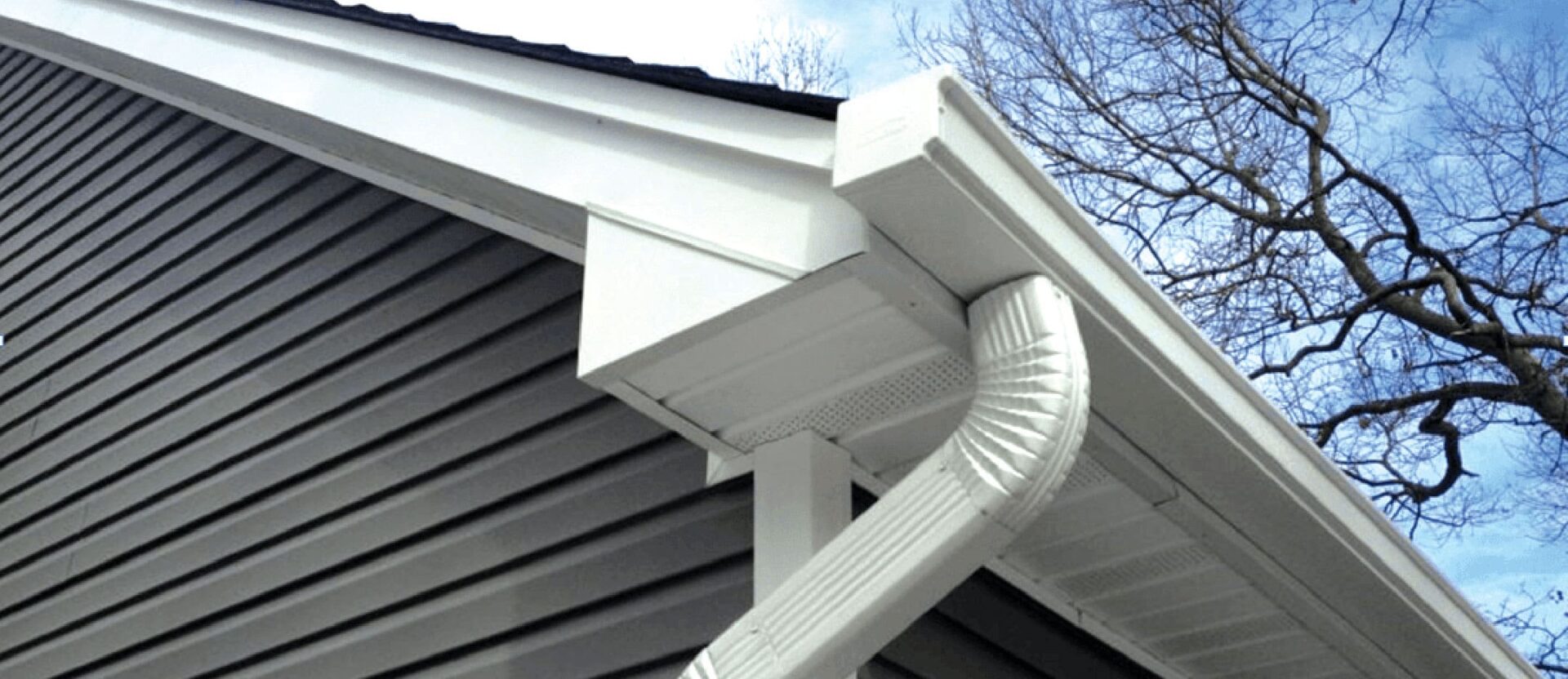
Gutter installation plays a critical role in protecting your roof by directing water away from vulnerable areas. A properly functioning roof and gutter system prevents moisture damage, structural issues, and premature roof failure.
Ignoring gutter performance can lead to costly repairs. Understanding how gutter installation in Statesville, NC supports roof health helps you protect your home long-term.
How do gutters protect your roof?
Gutters, while often overlooked, are a vital component of your home’s roofing system. Their primary job is to direct water away from your roof, walls, and foundation. Here’s how they protect your roof:
- Prevent Water Accumulation: Without gutters, water would pool on the roof, especially in areas where the roof meets the eaves. This standing water can lead to rot, mold, and damage to the roofing materials.
- Redirect Water Flow: Gutters direct rainwater away from critical areas of your home, such as the roofline and walls. Properly functioning gutters ensure that water flows into the downspouts, preventing it from seeping under your shingles or into your attic.
- Avoid Foundation Damage: When gutters aren’t working properly, water can overflow and seep into your home’s foundation. This can cause cracks, erosion, and even flooding in your basement. By installing a reliable gutter installation, you protect both your roof and your foundation from water damage.
In short, gutter installation in Statesville, NC plays an essential role in maintaining the integrity of your roof by guiding water away from critical areas, preventing costly repairs down the road.
Can bad gutters cause roof damage?
Yes, bad gutters can certainly cause roof damage. When gutters are clogged, damaged, or improperly installed, they can result in several issues that impact your roof:
- Water Back-Up: When gutters are clogged with leaves, debris, or other blockages, water can’t flow freely through the system. This causes water to back up under your shingles, leading to leaks and water damage in the roof structure.
- Rotting Fascia and Soffits: Overflowing gutters can cause water to run down the sides of your roof, damaging the fascia and soffits. These areas are vital in holding up the gutters and protecting your roof, and when they deteriorate, your roof can become vulnerable to further damage.
- Ice Dams: During winter, clogged gutters can lead to the formation of ice dams. Water that isn’t properly channeled away from the roof can freeze, causing damage to the shingles, roof deck, and interior of your home.
- Structural Damage: In extreme cases, the weight of water-filled gutters can cause them to sag or detach from the roofline. This can lead to further water damage to the roof and surrounding areas.
Proper gutter installation and regular maintenance are essential to keeping your roof safe from these potential issues. If water has already started causing problems around the roofline, professional roof repair services can help address the damage before it spreads.
Do I need new gutters with a new roof?
While it’s not always necessary to replace your gutters when installing a new roof, it’s a good idea to assess the condition of your current gutter system. Here’s why:
- Age of Existing Gutters: If your gutters are old, clogged, or showing signs of wear, such as rust or sagging, it may be wise to replace them at the same time as your roof. Installing new gutters alongside your new roof ensures that your home is fully protected from water damage.
- Incompatible Systems: Sometimes, the existing gutter system may not align with your new roof’s design or drainage requirements. For instance, if your new roof has a steeper slope or larger overhang, you may need larger gutters to handle the increased water flow.
- Cost-Effective Bundling: When you hire a contractor for a roof and gutter system installation, doing both at once can often save you money. Bundling the services reduces labor costs and streamlines the process.
If your current gutters are in good condition and fit your new roof’s design, you might not need a full replacement. However, it’s always a good idea to consult with a professional roofer to assess your specific needs. Homeowners planning both projects can also learn more about whether to replace gutters and roof at the same time before making a final decision.
How often should gutters be replaced?
The lifespan of gutters depends on the material and how well they’re maintained. Generally, you should consider replacing your gutters every 20 to 30 years. However, certain factors can affect this timeline:
- Material: Aluminum gutters can last around 20 years, while copper gutters may last up to 50 years. Steel gutters may rust and need replacement sooner than other materials.
- Climate and Weather: Harsh weather conditions, such as heavy rainfall, snow, or extreme heat, can wear down gutters more quickly. Regular roof maintenance and gutter cleaning can help extend their lifespan.
- Maintenance: Proper maintenance, like cleaning and sealing, can prevent premature deterioration of your gutters. Neglecting gutter care can shorten their lifespan significantly.
A roof inspection often includes an evaluation of your gutters to help determine whether they need replacement or repair. If you’re unsure about the condition of your roof and drainage system, scheduling a professional roof inspection is a smart place to start.
What are signs your gutters are failing?
Failing gutters can lead to a host of issues for your roof and home. Here are signs that your gutters may need replacing:
- Sagging or Detached Gutters: If the gutters are pulling away from your roofline or sagging, they may not be properly secured, and water could be overflowing or leaking into your home.
- Cracks or Holes: Cracks and holes in the gutters prevent them from properly channeling water away from your roof and foundation. This can lead to leaks, flooding, and foundation damage.
- Rust and Corrosion: Rust is a clear indication that the metal gutters are deteriorating. If you notice rust or corrosion, it may be time to replace your gutters before they fail completely.
- Overflowing Water: If water is overflowing from your gutters even after cleaning, the system is not functioning as it should. This could indicate that the gutters are improperly pitched or damaged.
- Peeling Paint or Water Damage: If you notice water stains, peeling paint, or mildew on the exterior of your home, it could be due to poor gutter performance. This requires immediate attention to prevent further damage to your home’s structure.
Regular gutter maintenance in Statesville, NC and inspections can help you catch these problems early and prevent costly repairs.
Do gutter guards help protect roofs?
Gutter guards can help protect your roof by preventing leaves, debris, and other obstructions from clogging the gutters. Here’s how they contribute to roof and gutter health:
- Reduced Clogs: Gutter guards allow water to flow freely while blocking debris from accumulating. This reduces the risk of clogged gutters, which can lead to water backup and damage to your roof and fascia.
- Lower Maintenance: Gutter guards make cleaning your gutters easier and less frequent. Since they block most debris, there’s less need for regular cleaning, which extends the lifespan of your gutters and prevents water from backing up.
- Prevention of Ice Dams: Gutter guards can help reduce the likelihood of ice dams forming in winter. By keeping gutters clear of debris, the water in your gutters is less likely to freeze, which can prevent serious damage to your roof.
While gutter guards can be a useful addition, they should be seen as part of an overall roof and gutter system maintenance plan rather than a complete solution on their own.
Can clogged gutters cause leaks?
Yes, clogged gutters are one of the most common causes of roof leaks. When gutters are clogged with leaves, twigs, or other debris, water can’t flow properly through the system. This leads to water spilling over the sides of the gutters and running down your roofline. Over time, this water can seep under the shingles and cause leaks in your roof or attic.
In addition to leaks, clogged gutters can also lead to:
- Water Damage: Water that overflows from clogged gutters can damage your home’s exterior, including the siding, fascia, and foundation.
- Foundation Issues: Overflowing gutters can cause water to pool around your home’s foundation, leading to cracks and potential structural issues.
- Roof Rot: Water buildup on your roof can lead to wood rot, especially in the roofing materials and structures that are exposed to standing water.
Cleaning and maintaining your gutters is essential to avoid these problems and ensure your roof and gutter system is functioning properly.
Conclusion
Proper gutter installation and regular maintenance are essential for the health of your roof and home. Gutters help prevent water damage, foundation issues, and roof leaks by channeling water away from vulnerable areas.
By ensuring that your gutters are installed correctly and maintained regularly, you can extend the lifespan of your roof and avoid costly repairs. Don’t overlook the importance of a functional gutter system in protecting your home. For more guidance on drainage protection, Providence Roofing also explains why gutters are so important for long-term home maintenance.
Keep Your Home Protected with Providence Roofing
At Providence Roofing, we specialize in gutter installation in Statesville, NC and offer comprehensive roofing and gutter services to ensure your home is safe from the elements. Whether you need new gutters or maintenance services, our expert team is here to help.
Contact us today to schedule a consultation and protect your roof and home with quality gutter services!